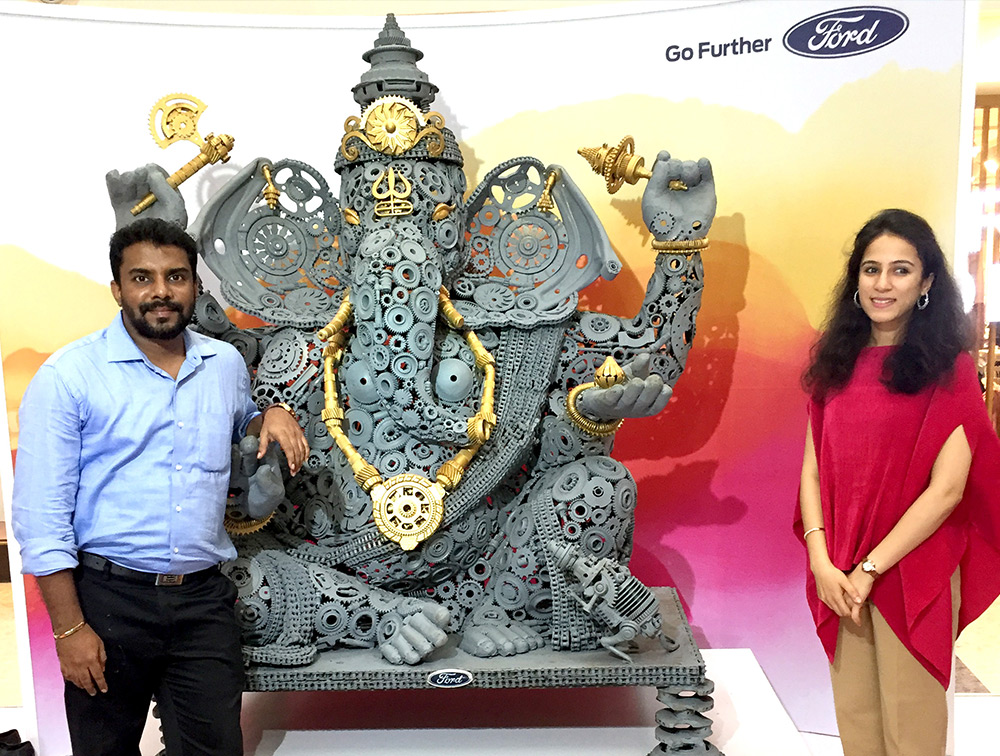
he future of art is no longer carved in marble; it’s assembled from discarded wires, broken glass, rusted metal, and bottle caps. As the world wakes up to the climate crisis and the urgency of reducing waste, circular art is emerging as a bold, beautiful solution that merges creativity with sustainability.
At its core, circular art is about transforming the unwanted into the unforgettable. Artists and sculptors are becoming more inclined to utilize discarded materials, not just as a form of expression, but as a means to actively contribute to the restoration of the environment. What was once regarded as worthless is now emerging as a potent tool for conveying narratives, emotions, and transformation.
From Trash to Treasure: The Rise of Waste-to-Wonder Sculptures
The phrase ‘waste-to-wonder creations’ is not just a catchy phrase-it’s a groundbreaking concept. It demonstrates how discarded materials, when approached with creativity and ingenuity, can be repurposed into captivating sculptures that captivate and motivate.
You’ll discover a variety of sculptures, including life-size animals made from scrap metal, delicate deities created from paper mache, and eco-friendly Ganpati idols crafted from clay, paper pulp, turmeric, and even seeds. These sculptures are not only environmentally friendly—they are deeply meaningful, in every sense of the word.
One iconic example is the shift in Ganesh Chaturthi celebrations across India. Many artisans and conscious devotees are embracing eco-friendly Ganpati idols, made from biodegradable or upcycled materials, which dissolve easily in water without polluting our rivers and seas. These idols often integrate seeds so they can be planted after immersion – a true cycle of renewal.
Why Circular Art Matters Now More Than Ever
With climate change looming large and landfills overflowing, the role of artists in sustainability has never been more important. Circular art sends a loud, clear message: we must rethink consumption and embrace sustainable art practices that minimize harm while maximizing creativity.
These sculptures:
- Reduce landfill waste
- Inspire environmental consciousness
- Promote reuse and upcycling
- Encourage mindful celebration of culture
Circular art also addresses the growing demand for eco-conscious design in homes, offices, public spaces, and galleries. More people today are choosing to decorate with meaning, opting for recycled material art that reflects their values.
Sculpting a Conscious Future
The allure of circular sculpture art lies in the narrative that accompanies each creation. Every sculpture symbolizes a second opportunity for the material, for the artist, and for the environment.
Artists are now collaborating with environmentalists, schools, corporations, and non-governmental organizations to raise awareness through workshops, public installations, and community initiatives. These initiatives not only appreciate art but also educate individuals on waste management, creative reuse, and sustainable living practices.
The outcome? Art that informs. Art that soothes. Art that contributes.
Final Thoughts: Art That Doesn’t Cost the Earth
Circular art is not a fleeting trend. It is the future of sculpture. As we navigate a world full of environmental challenges, the fusion of sustainability and creativity is not just refreshing, it’s necessary.
Whether it’s a Ganpati idol made from paper, a garden sculpture crafted from e-waste, or a public installation made from plastic, each piece serves as a beautiful reminder that change starts with what we choose to create—and what we choose to let go of.
Let’s celebrate the artists who turn waste into wonder, and the movement that’s shaping the future, one recycled masterpiece at a time.