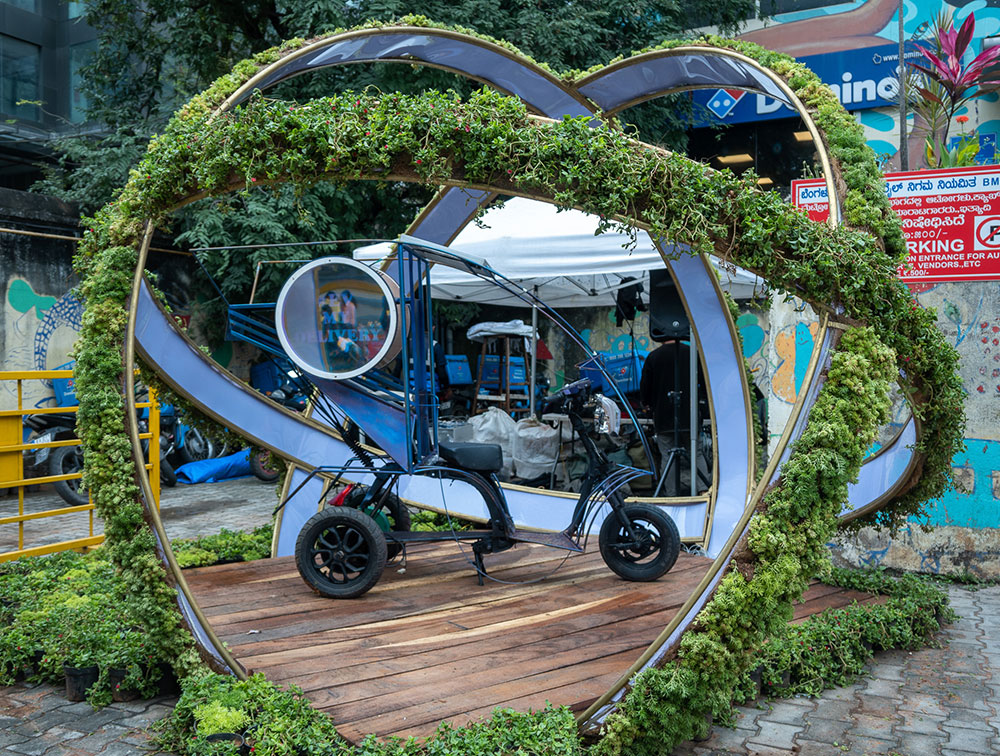
In recent years, the art world has witnessed a remarkable shift toward environmental consciousness, with sustainable art installations emerging as powerful catalysts for ecological awareness. These innovative creations not only captivate audiences with their beauty and ingenuity but also demonstrate how artistic expression can harmonize with environmental stewardship.
Materials with a Message
In today’s environmentally-conscious art community, artists are moving away from conventional materials that deplete natural resources and embracing sustainable options. Materials such as reclaimed wood, recycled metals, ocean plastics, and biodegradable compounds have emerged as the preferred options in recent times. These materials narrate a tale of their own—one of rejuvenation and sustainable consumption—while concurrently minimizing the environmental impact of artistic production.
Energy-Efficient Illumination
Light-based installations have embraced energy-efficient technologies that reduce consumption while maximizing their impact. Solar-powered LED displays utilize renewable energy to generate captivating light sculptures that function independently of the power grid. These works showcase how sustainable technology can enrich artistic expression rather than restrict it.
Interactive Ecological Education
Many sustainable installations incorporate interactive elements that educate visitors about environmental challenges. From climate change visualizations to pollution awareness projects, these works transform complex ecological concepts into tangible experiences that resonate on an emotional level, inspiring personal action and broader social change.
Regenerative Designs
The most innovative sustainable art goes beyond minimizing harm to actively benefit ecosystems. Living walls that purify air, water filtration sculptures that clean urban waterways, and installations that provide habitat for pollinators exemplify this regenerative approach. These functional artworks demonstrate how creativity can contribute meaningful solutions to environmental challenges.
Community Engagement
Sustainable art installations frequently require collaborative creation processes that actively involve local communities. By involving the community in the creation of the artwork, this approach not only decreases transportation emissions but also fosters stronger community connections and ensures that the artwork accurately represents the local environmental issues and cultural backgrounds.
Sustainable art installations represent a powerful convergence of aesthetic vision and ecological responsibility. As artists continue to pioneer innovative approaches to eco-friendly creativity, they demonstrate that environmental consciousness need not constrain artistic expression but can instead inspire new forms of beauty and meaning.
These works challenge us to reimagine our relationship with the natural world and demonstrate how human creativity can work in harmony with ecological systems rather than against them. By blending artistic innovation with environmental stewardship, sustainable art installations are not just decorating our world—they’re helping to preserve and restore it for future generations.